

Baker's Dozen: Germany Edition
Asparagus, green sauce, liverwurst, and laundry detergent sheets.

I learned so much, and experienced so much in a short two weeks in Germany that it’s a struggle to put it into words. But it’s also that struggle that helps us grow and learn, so here I go. I’ll recap my baking adventures in future posts, so I thought I’d start with a few non-baking tidbits.
Here are a baker’s dozen non-baking things I took away from my trip.
Simplicity. While in Germany, I noticed the single-ingredient focus of many things I ate. Yes, tons of fun modern flavor combinations, but the things that struck me the most were the simplest. Asparagus soup that just tasted of asparagus. The broth is usually made with simmered peels and trimmings plus has chunks of white asparagus floating around. Arnd Erbel baked a Käsekuchen without a dash of vanilla or a scrape of lemon zest. He noted to me that he wants his cheesecake to taste like Quark. Imagine that, cheesecake that only tastes of cheese!
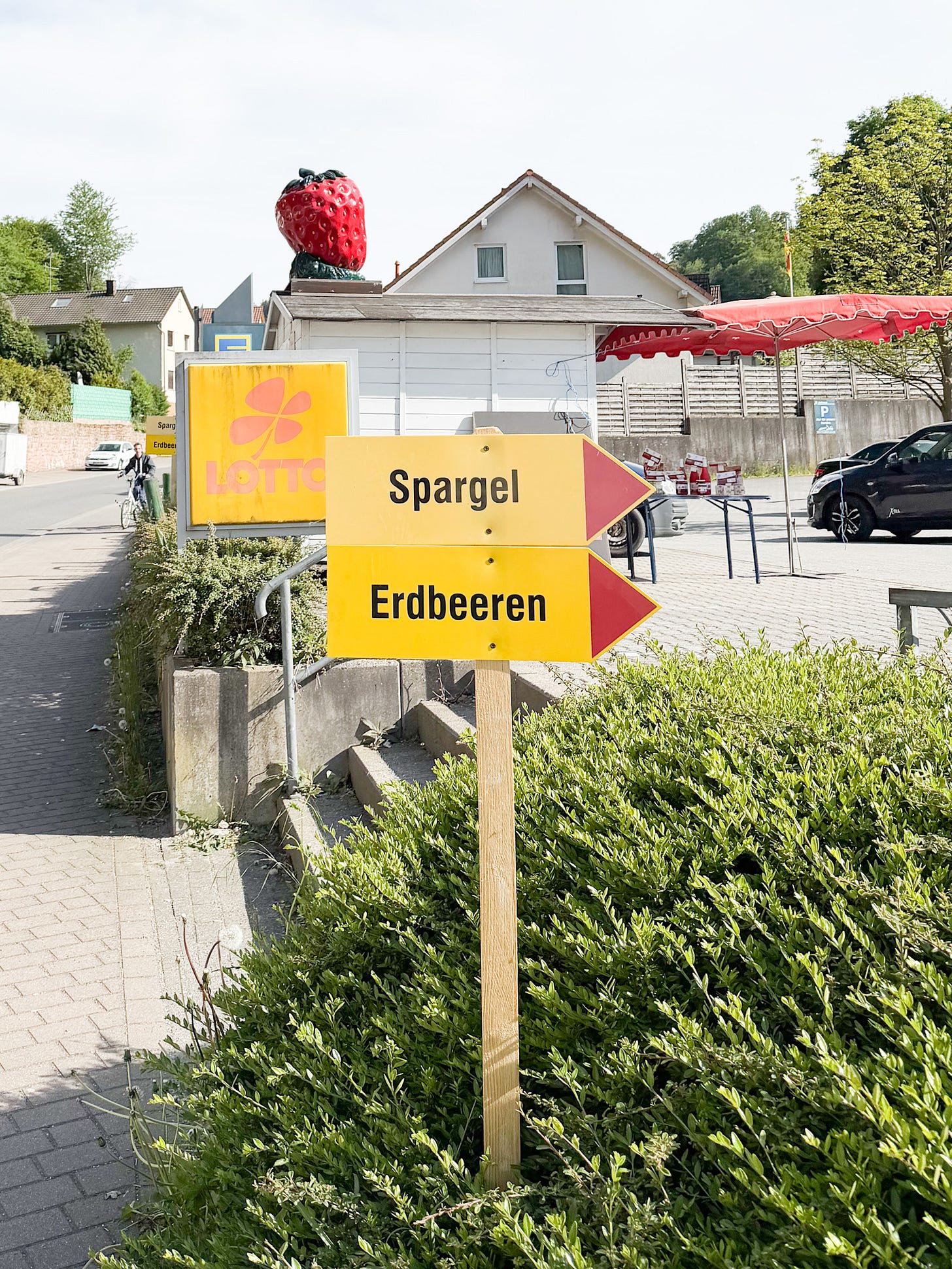
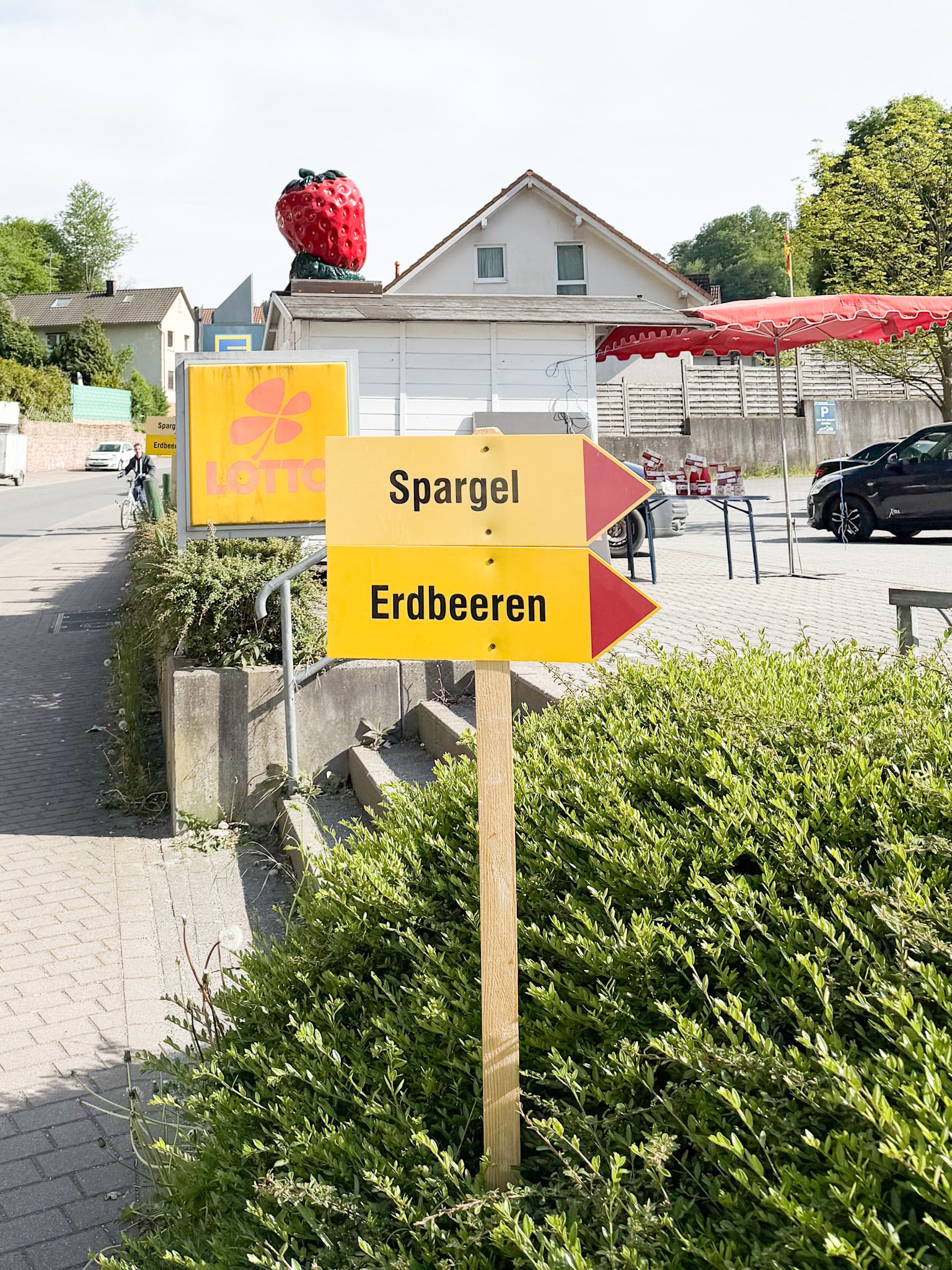
Priorities. (The sign for asparagus and strawberries.) Spargelzeit. I arrived in Germany during the early part of the nation’s greatest vegetable celebrations: Asparagus Time. Little huts dot towns, cities, and the countryside advertising asparagus and (sometimes) strawberries. Although they offer green asparagus, it’s the thick, fat, white spears that command attention and top prices. Germans go so batty for the stuff that grocery stores have elaborate asparagus-peeling machines for customers to shuttle their own spears through. Typically (almost ubiquitously) topped with hollandaise, restaurants often have a special Spargelkarte listing their asparagus dishes. (Be careful though, hollandaise sauce is so popular that restaurants often use pre-packaged sauce with a gloopiness that turns me off.) I think I’m a convert to the sunlight-deprived white asparagus—the delicate sweetness calls to me.
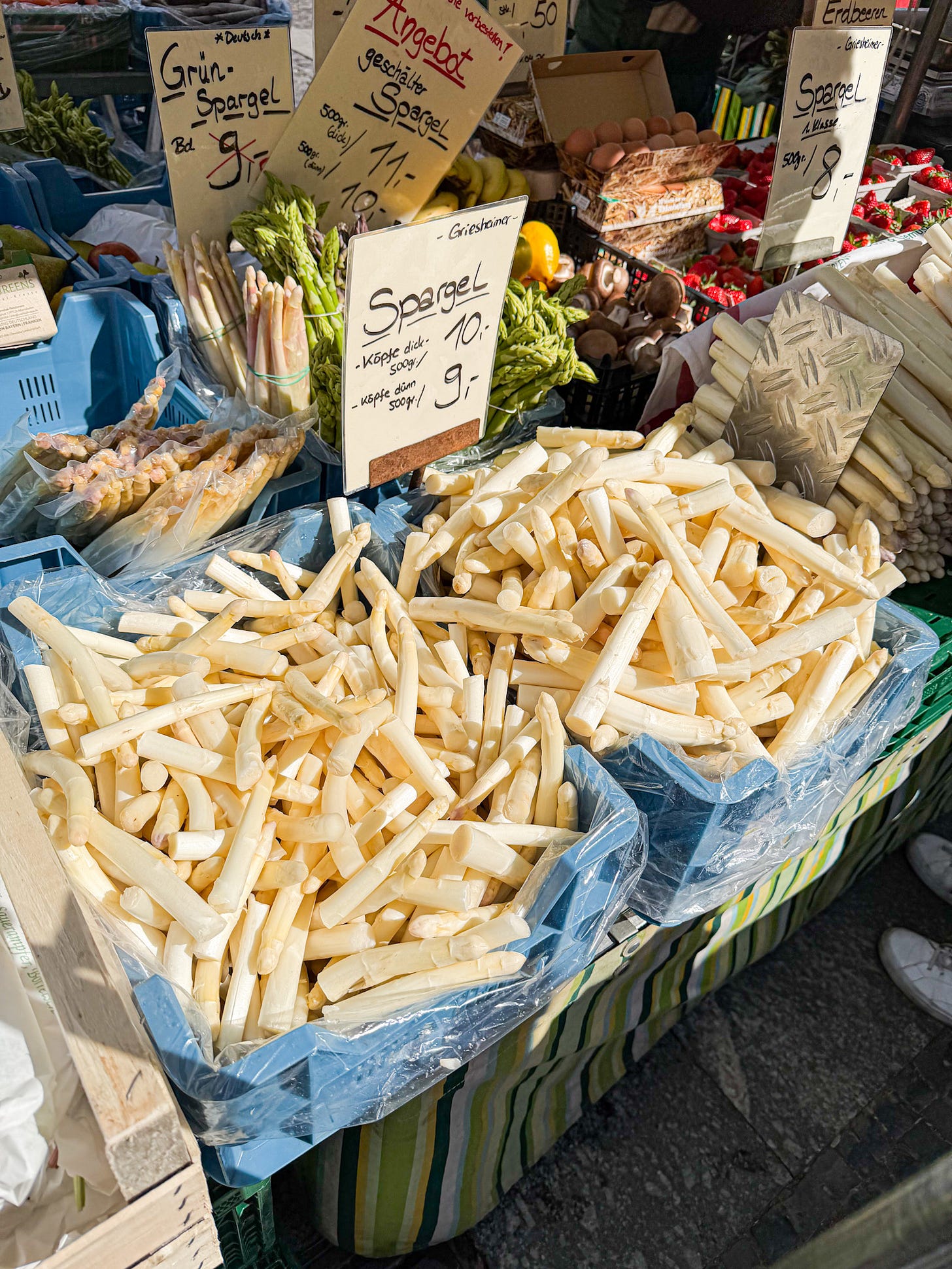
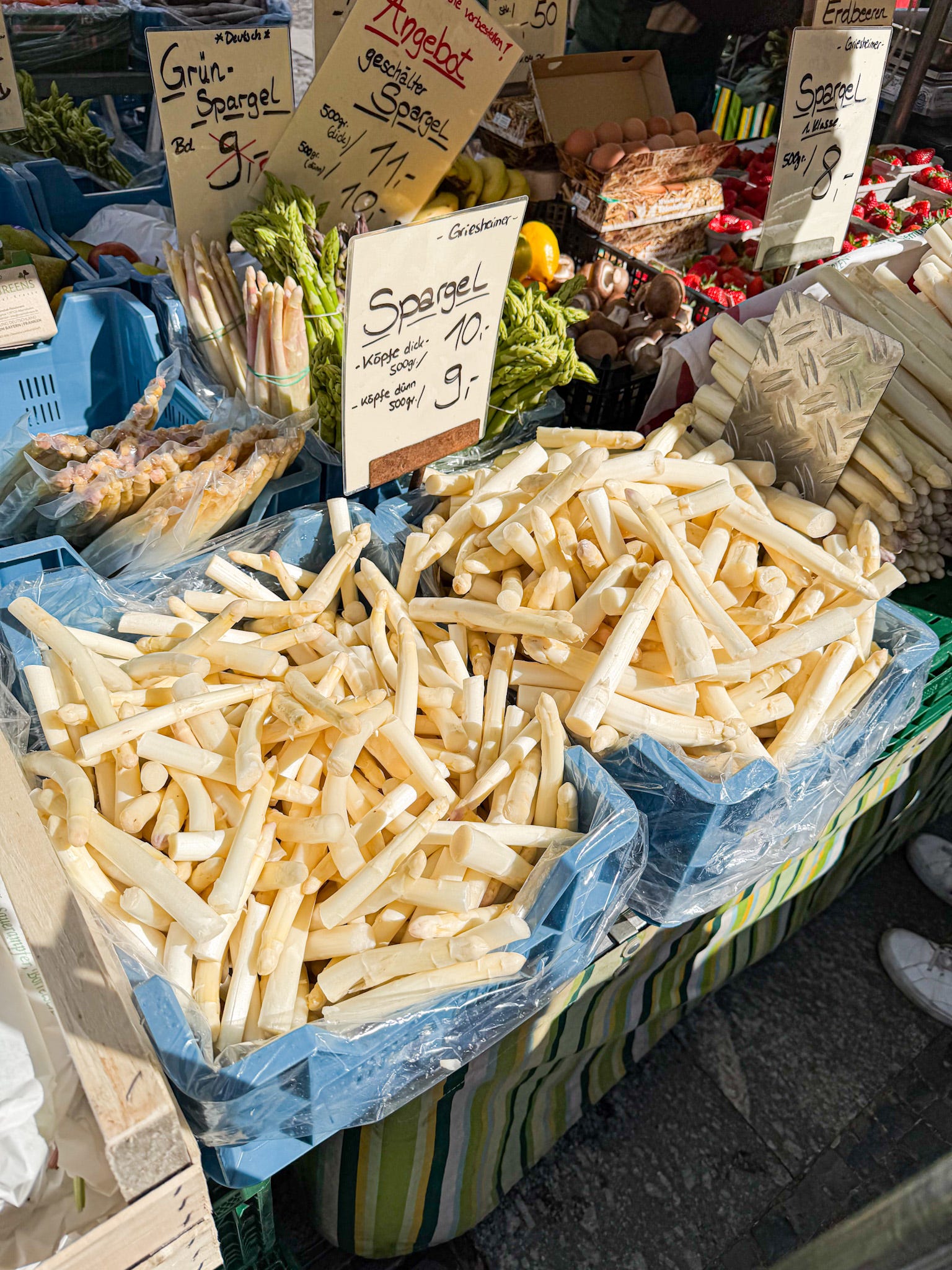
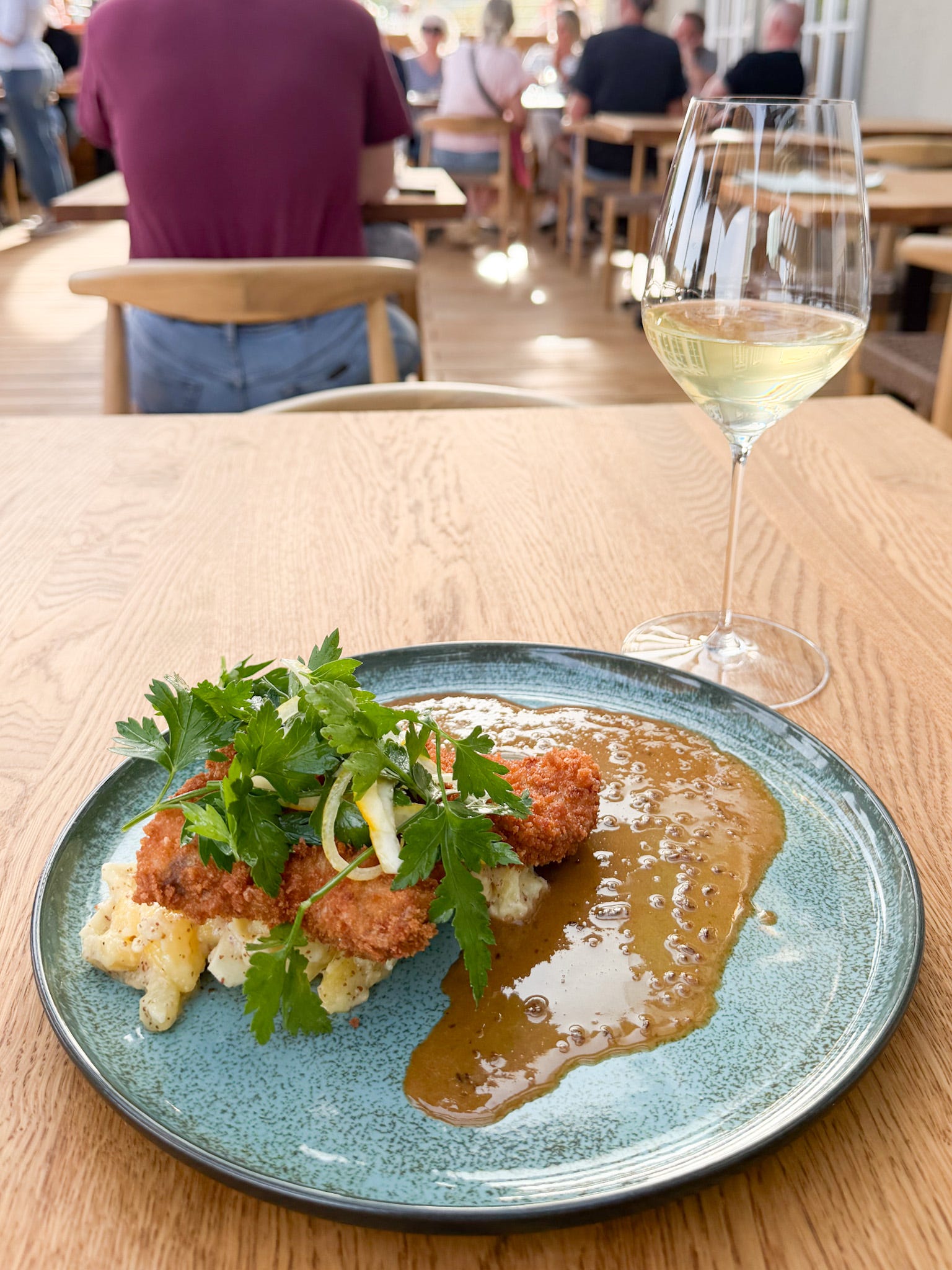
Spargel at the Mainz Wochenmarkt. Grüne Soße. The Frankfurt region’s famous green sauce. When freshly made, it’s a revelation. Packed with seven different soft herbs, boiled eggs, sour cream, and yogurt. Traditionally made with borage, burnet, chervil, chives, cress, parsley, and sorrel, it’s bright, herby, and tangy. Almost like Germany’s herbier answer to Ranch dressing. My favorite use for it? As a sauce for Schnitzel with a side of Spargel and boiled potatoes. I plan on playing around with my own green sauce this spring and summer.
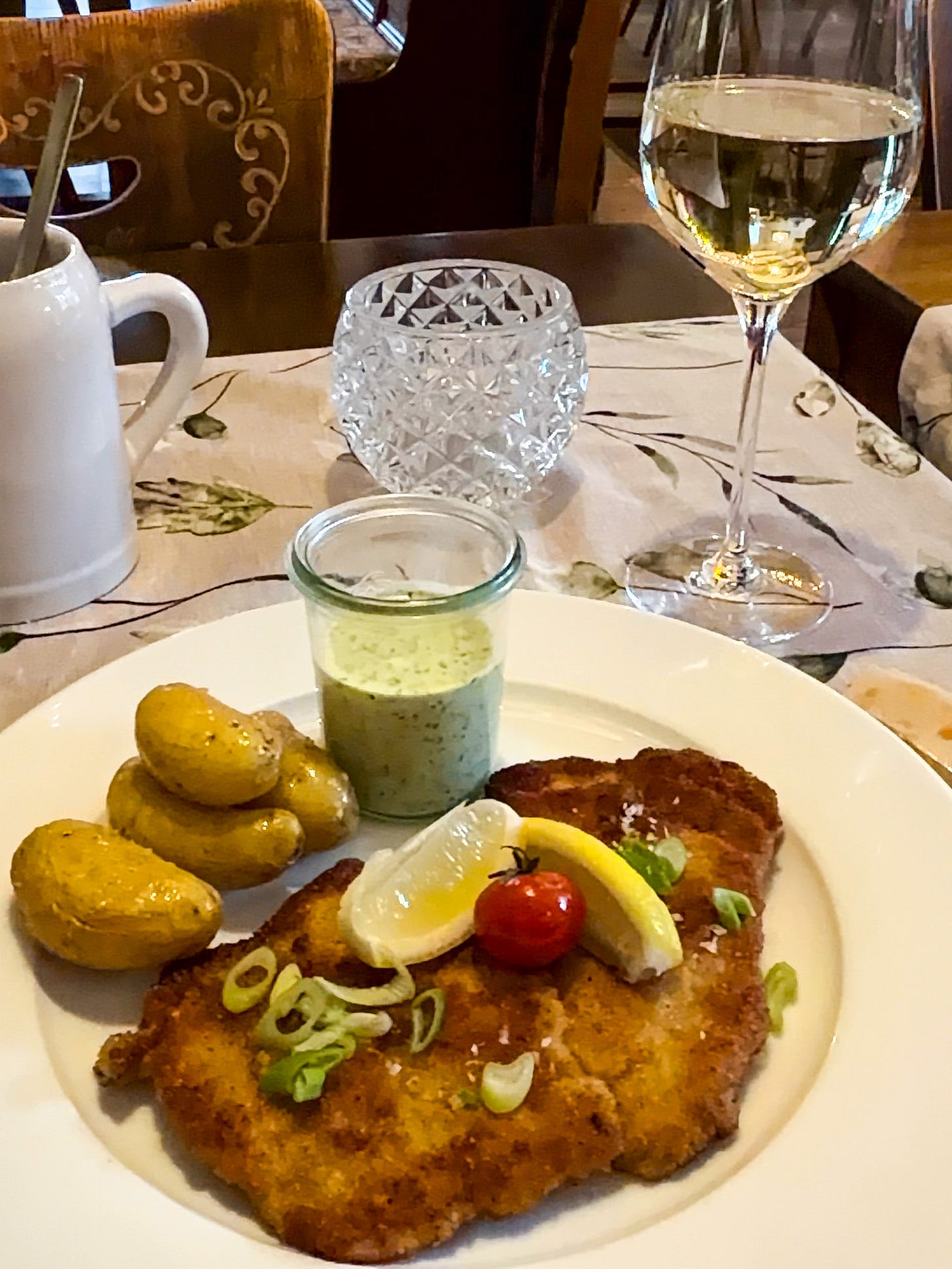
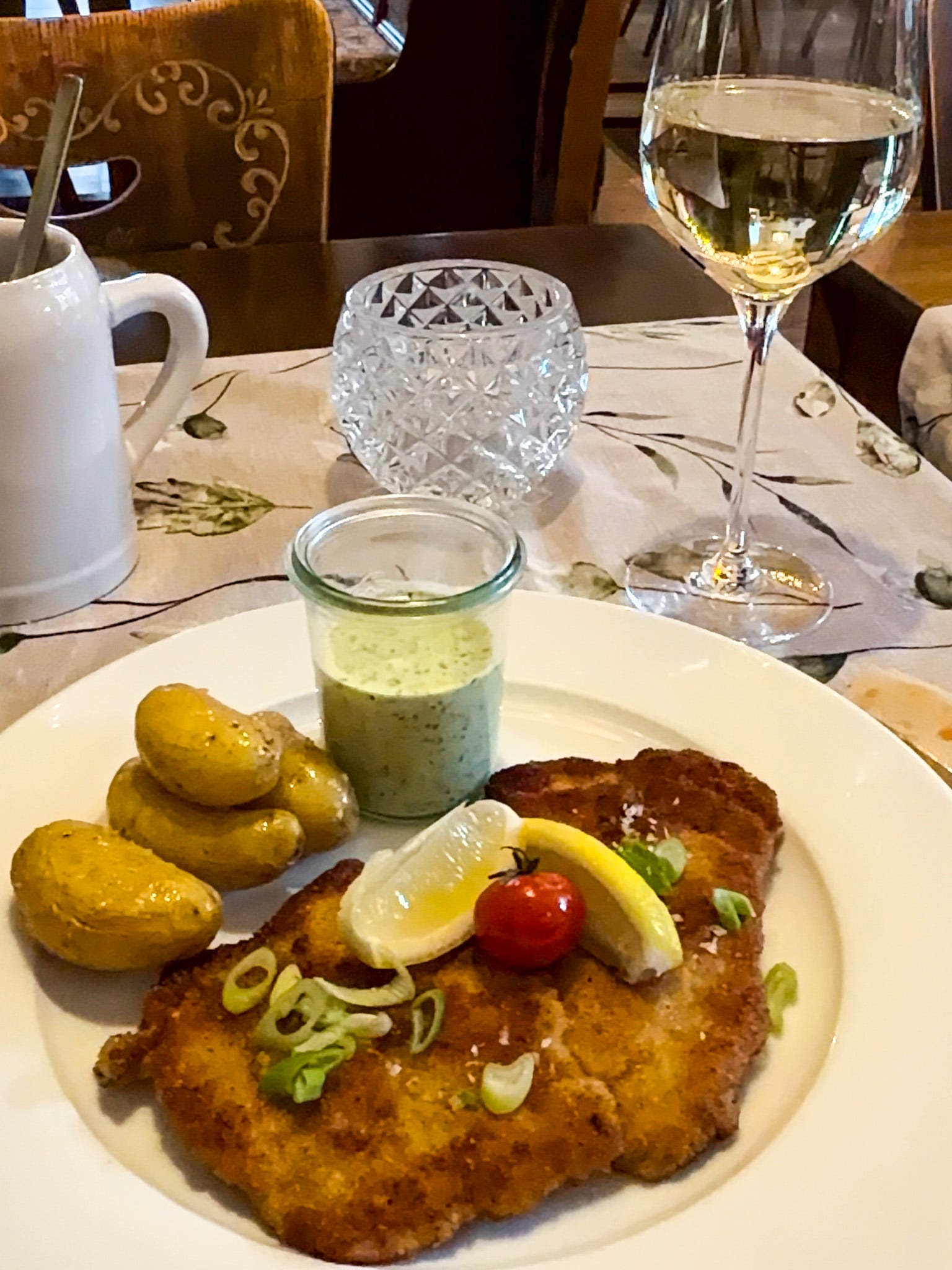
Schnitzel with Grüne Soße and Riesling, of course. Franconia. This cultural region of Germany spans the state of Bavaria and a few other areas of south-central Germany. Franconia, or Franken, includes the cities of Würzburg, Bamberg, and the conglomeration of Nuremberg, Fürth, and Erlagen. I think this region is my spiritual home in Germany. Coincidences and acquaintances have led me here, and for some reason, the folks feel very Midwestern. I adore other regions, but something here feels homey to me. Although it’s not squarely on the tourist radar, I definitely recommend a visit.
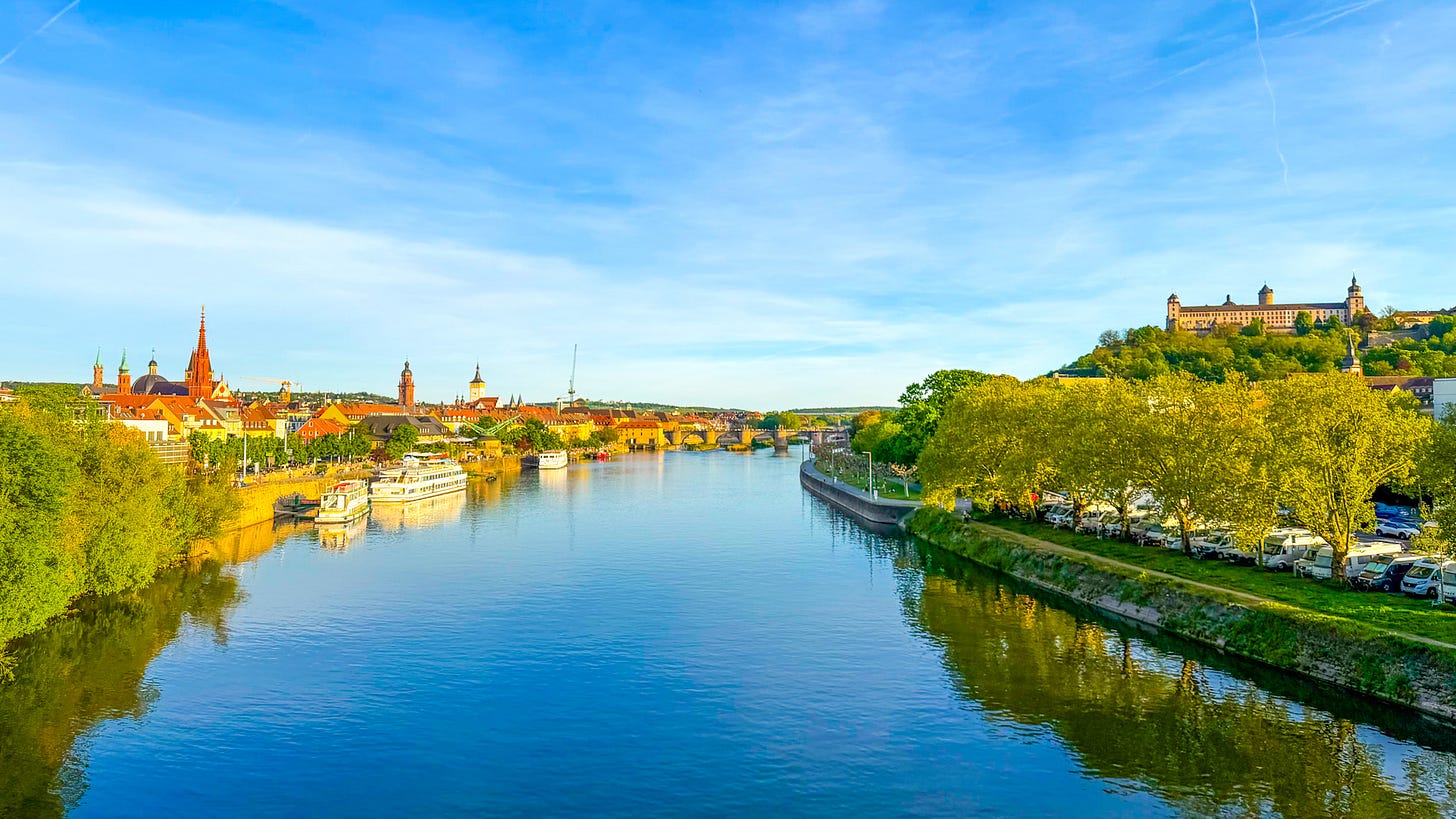
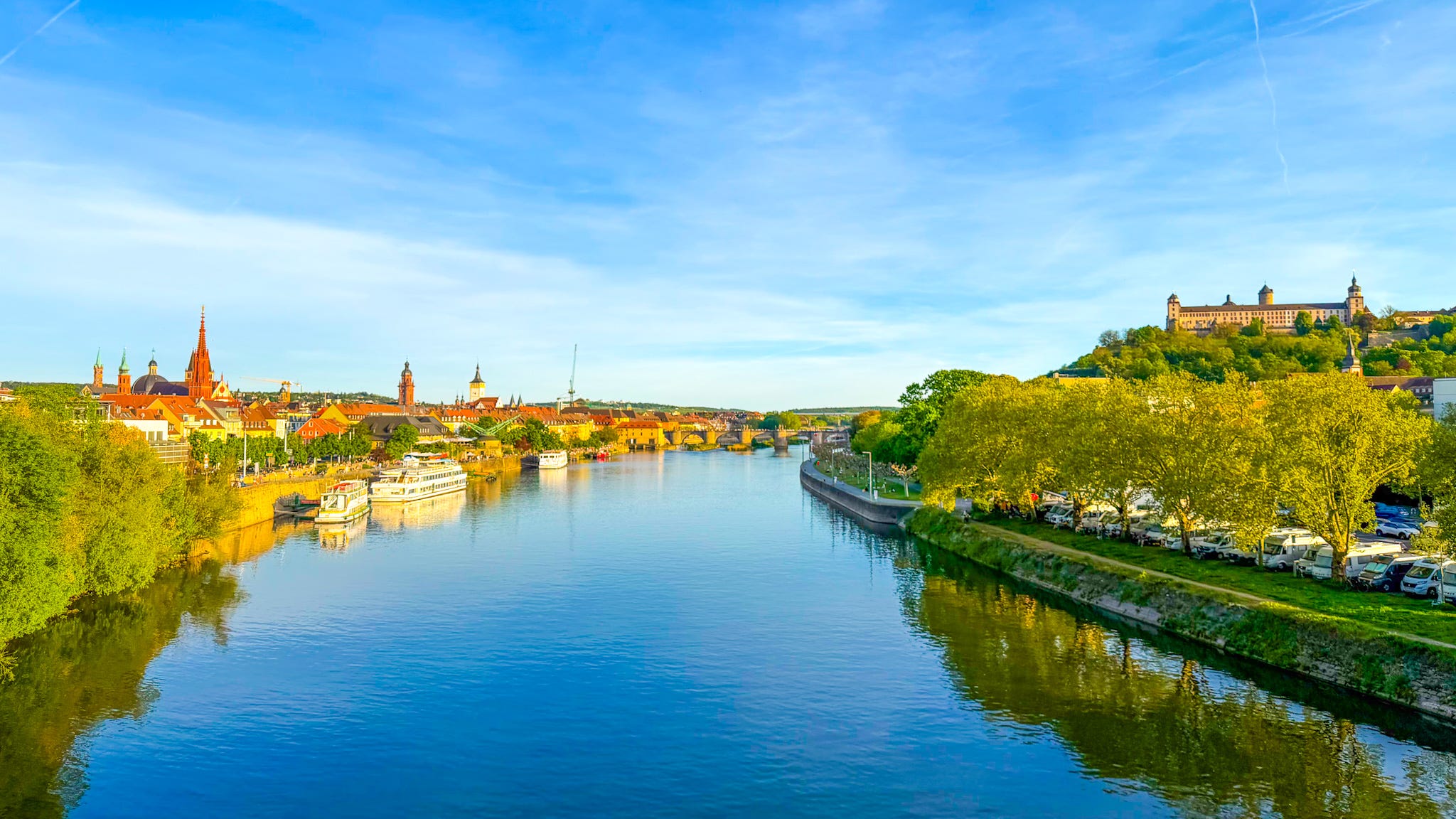
Würzburg and the Main River. Würzburg. The main city in Lower Franconia has stolen my heart. It never had a spot on my to-travel list, usurped by places like Munich, Berlin, and Hamburg. Lower Franconia is the center of the region’s wine industry, and Würzburg is flanked by a wall of south-facing vineyards on its northern border—the Würzburger Stein vineyard. The Marienberg fortress, a lovely hike up a hill, also boasts some storied vineyards. There are at least four wineries in the city limits, many of them large historic estates. The university and its 30,000 or so students give this town a young, diverse energy. The Baroque UNESCO-listed Residenz palace is stunning, among another attractions. If you’re headed to Germany, I would recommend spending a day or so in this lovely city. Plus, it’s only an hour or so from Frankfurt via train or car.
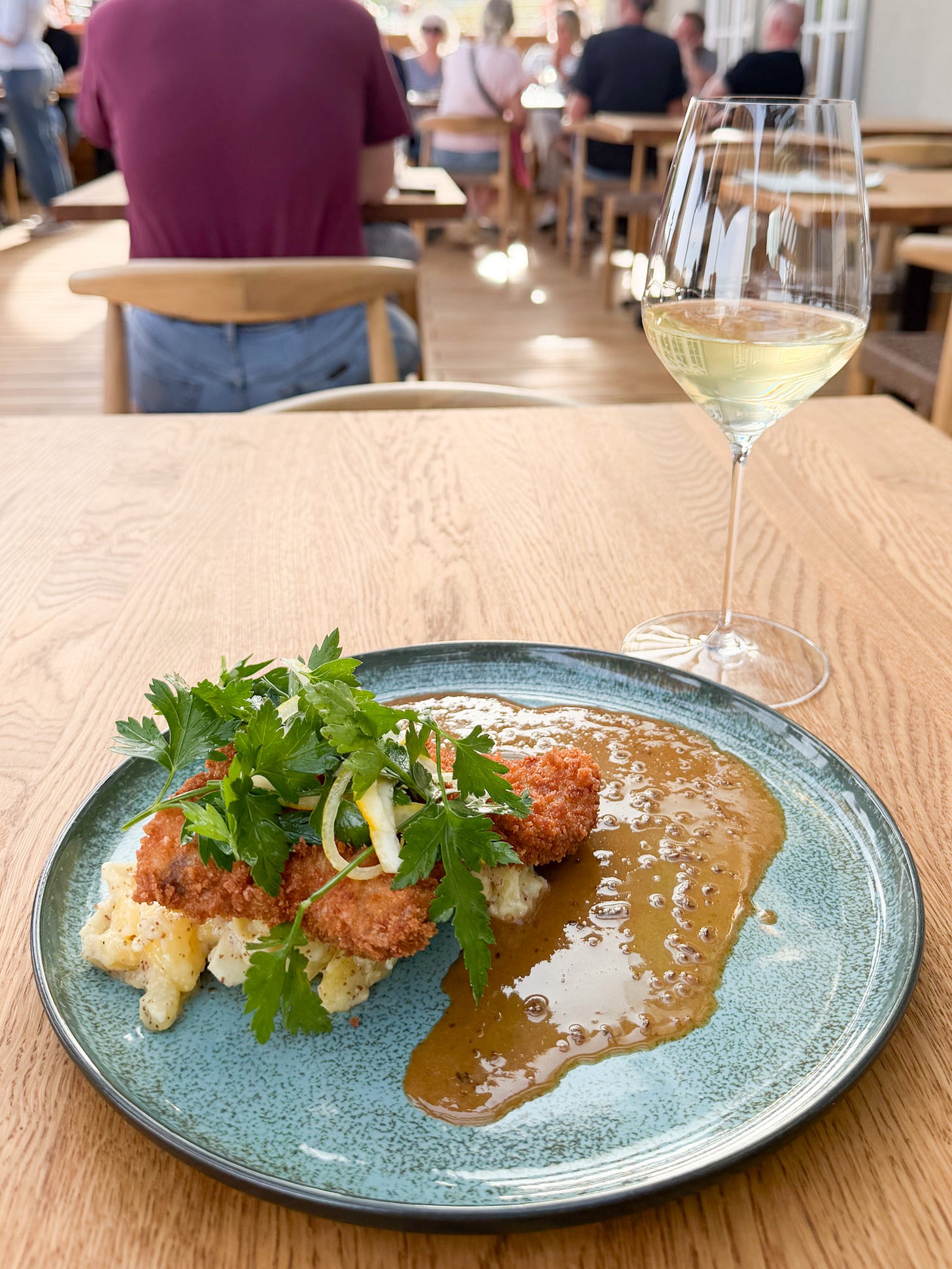
Schnitzel and GG Silvaner at Weingut am Stein. Renting a car in Germany. When traveling in Europe, I get excited to travel by train, zipping from the center of one town to another while gazing at the scenery. Yes, Germany’s trains are notoriously delayed these days, but the system still leaps above anything we have here in America. But, I have a newfound appreciation for renting a car, at least in Germany. Someone suggested I do it based on destinations I wanted to visit, so I first rented a car last fall. Germans follow the rules, everything is clearly marked, rest stops abound, and the Autobahn isn’t scary for anyone who normally drives on an American highway. I buzzed to some tiny towns that aren’t served by trains, stopping by wineries, bakeries, and other sites that are just a pain to get to via transit. (Shoutout to my beloved Cupra Formentor.)
Laundry detergent sheets. When I travel for two weeks, I bring some laundry detergent sheets so that I can wash some of my clothes in a sink. Props to my mother-in-law for giving me my first batch of them. I’m never going anywhere without them again.
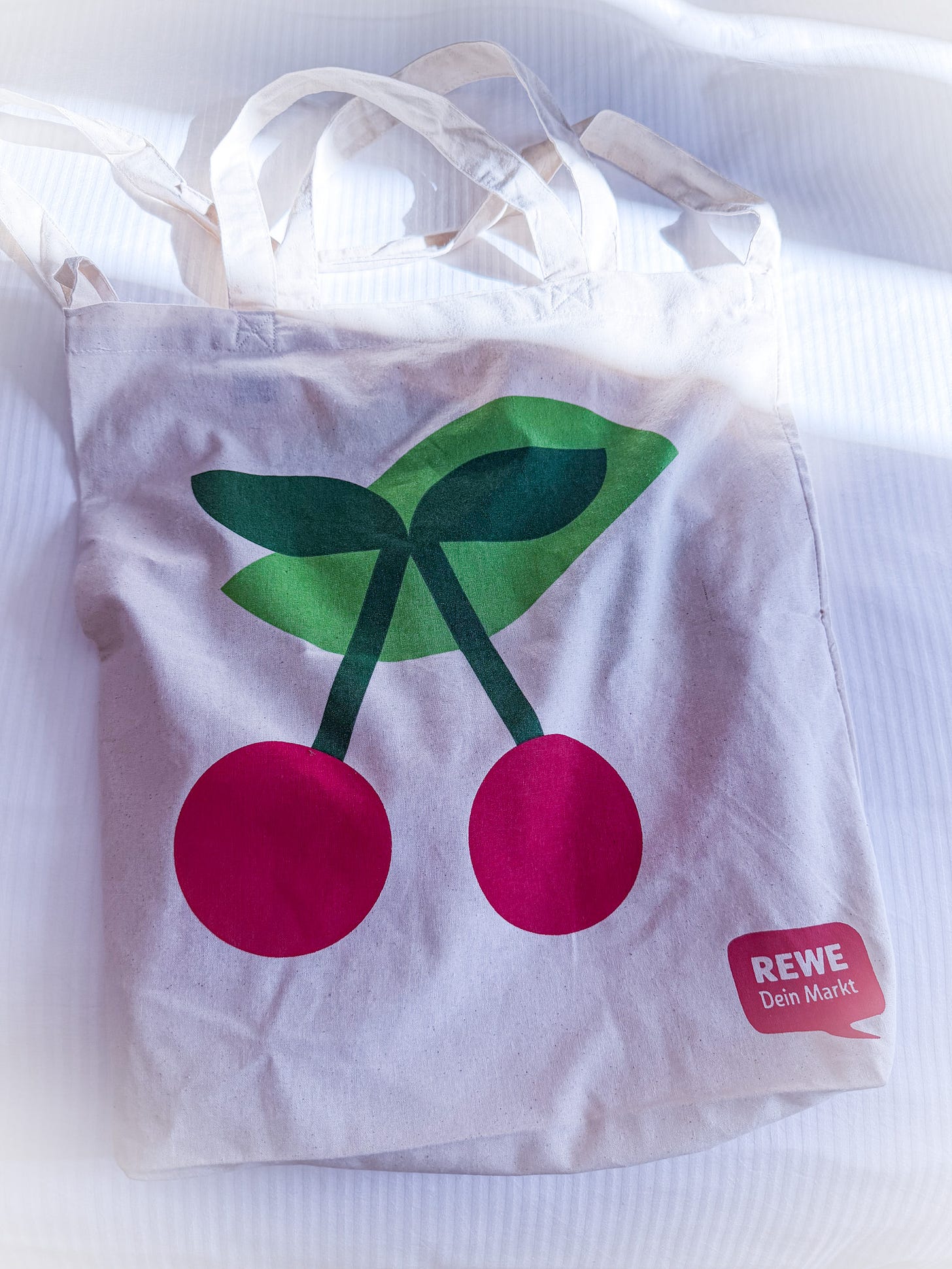
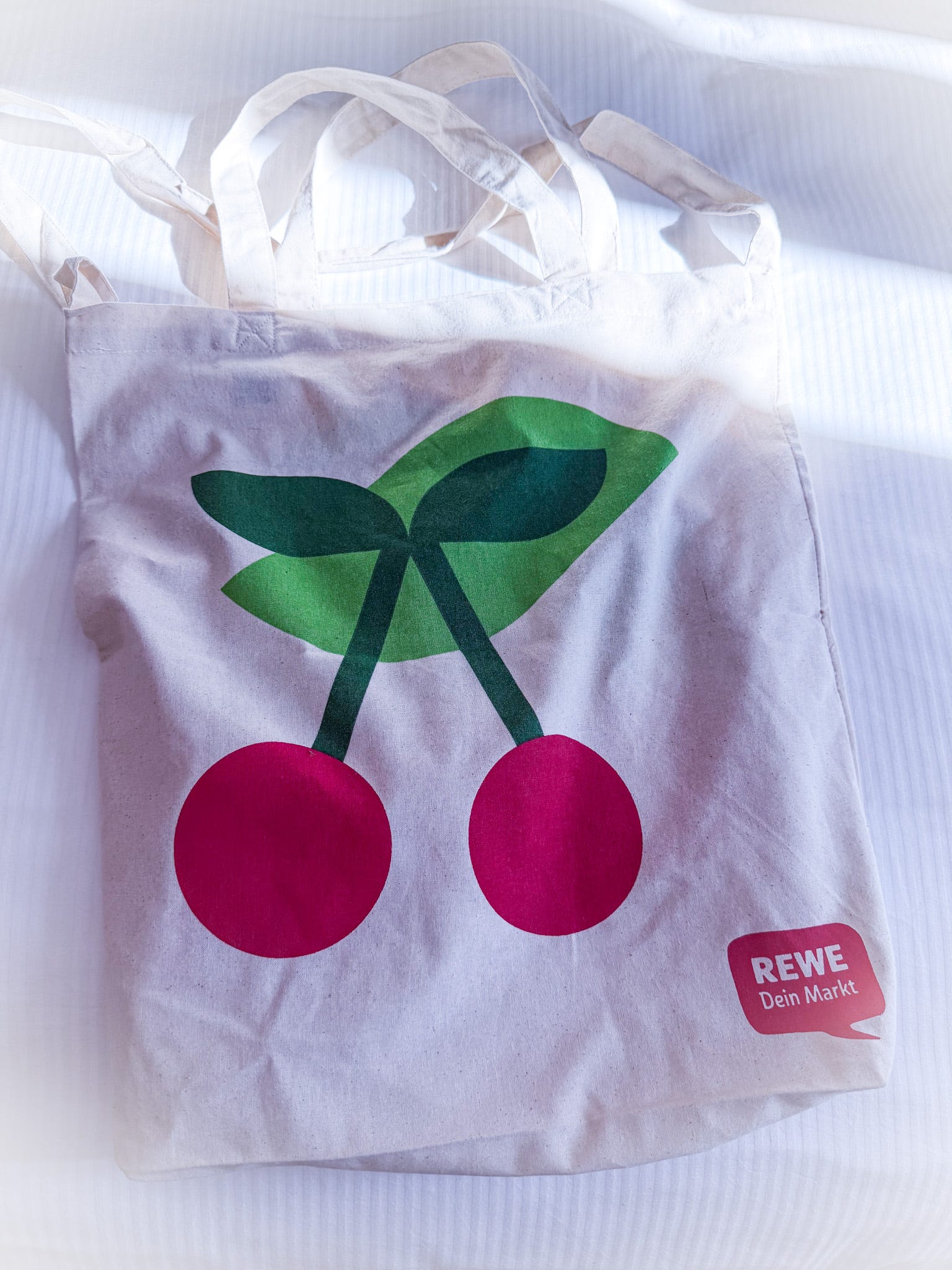
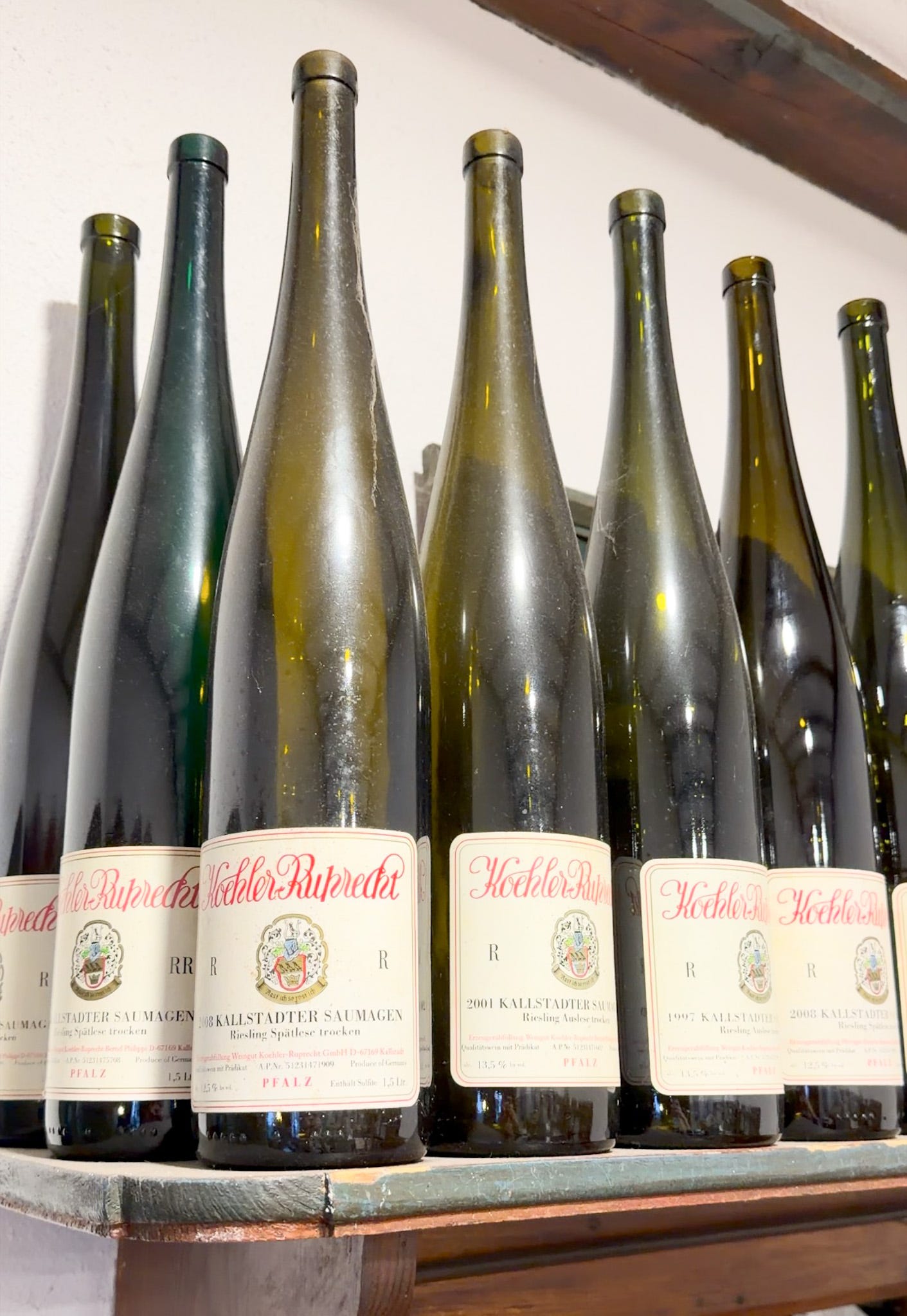
On brand for me. Reusable bags as souvenirs. I rarely, if ever, buy souvenirs on trips. I will often by some kind of food, wine, or anything I can consume. But a physical keepsake item? Nope. With one exception: reusable bags. When I pop into local grocery stores, foreign or domestic, I look to see if they have any cute reusable bags. This past trip to Germany, the grocery chain REWE had cute little muslin bags with a big red pair of cherries on it—of course I had to have it. When I stopped at Weingut Koehler-Ruprecht, I snagged a tote bag that is now a prized possession.
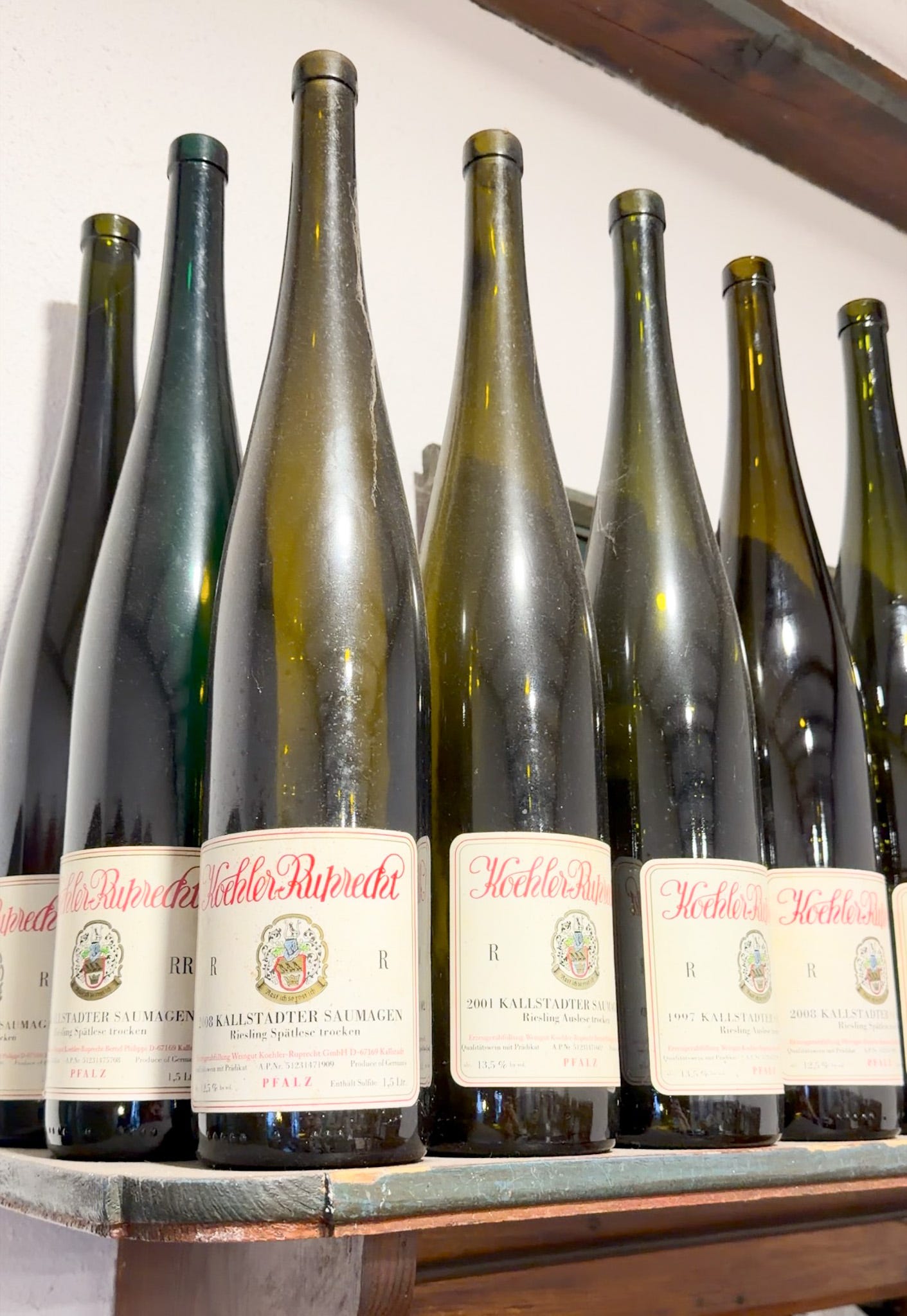
There’s more to this story. Generosity. I spent most of my trip with others—rarely a day alone. The sheer and utter generosity of everyone I met astounds me. From my colleagues at “bread school” to bakers, winemakers, friends, and even staff at restaurants—the kindness was overwhelming. People spent time with me, answered my questions, and shared a bit of themselves and their culture. Thank you all so so much!
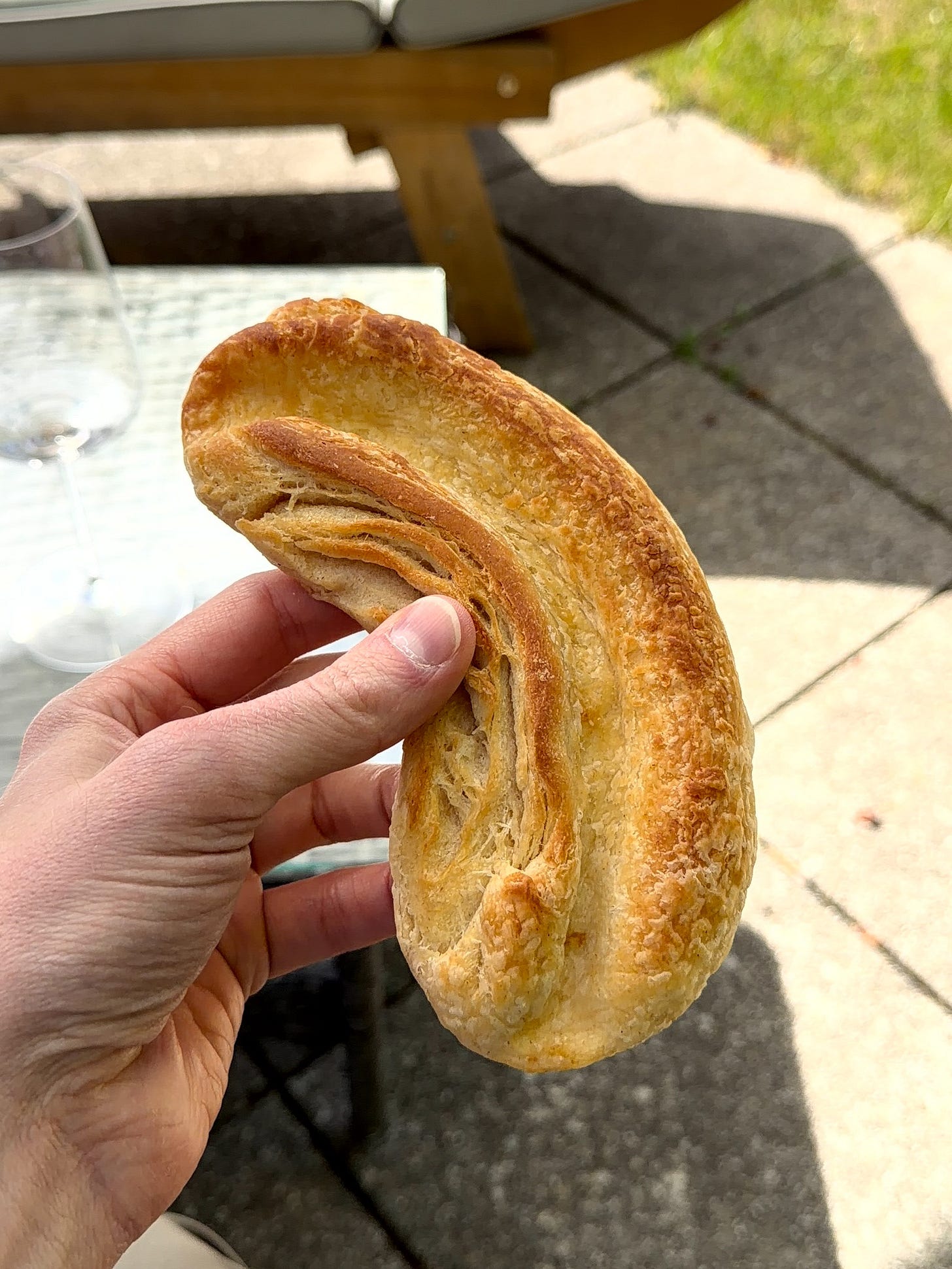
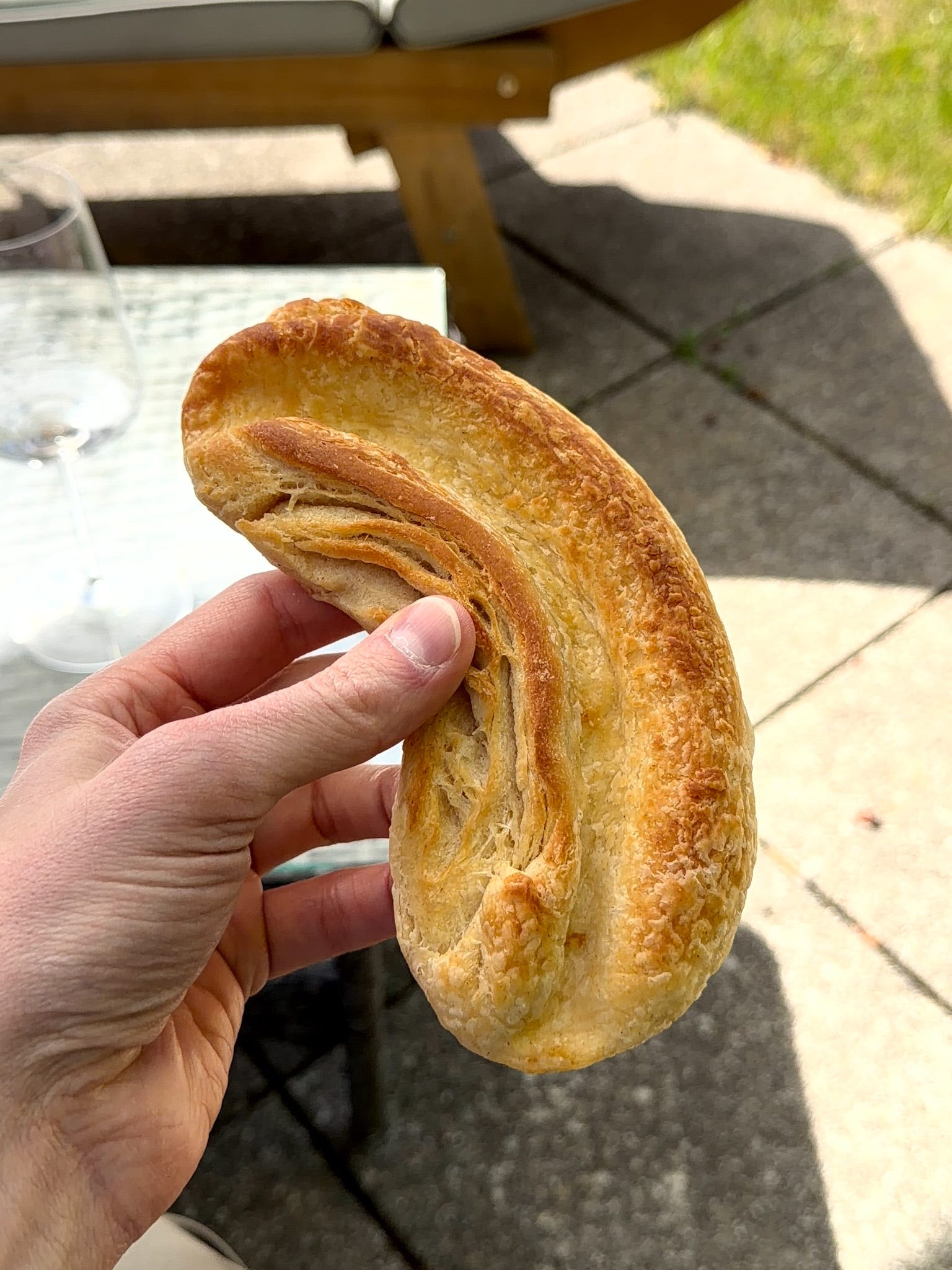
Eierweck made by Peter Leipold’s neighbor. Liverwurst/Leberwurst. I love liver sausage—that soft, spreadable, iron-rich, meaty stuff. I’m sure it’s not a health food, but when in Germany and I see it at a breakfast buffet or in the baking academy dining room, I grab a slice and smear it on bread. (It’s basically paté, right?) As a kid, my maternal Grandfather sometimes had Braunschweiger in the refrigerator and would eat it spread on crackers. My mother assured me that I wouldn’t like this assertively-flavored spread. But I loved to try new things. I took a little bite, twisted my face up a bit, then let it settle. I went in for another bite. The rest is history.
Green rhubarb. Did you know that rhubarb doesn’t have to be red to be delicious? I had several rhubarb-based desserts and baked goods made with green rhubarb while in Germany. No, it’s not as interesting to look at, but yes, it is still yummy—maybe even a bit tangier and robust.
Styrian pumpkinseed oil. Farmers in the Austrian region of Styria grow a variety of pumpkin only for its dark-green, hull-free seeds. These seeds are then pressed into this rich, inky, forest-green oil, with a deep, earthy notes. This isn’t a cooking oil: it’s a finishing oil. Drizzle it on some squash soup, a salad, or even a scoop of vanilla ice cream. You can buy it in America but it’s many times more expensive here. In Germany and Austria, you can find it at regular grocery stores for under 8 Euro per bottle. I always bring a bottle or two back if I have room in my checked luggage.
Connections matter most. I’ve said this before, and I’ll keep saying it. I was travelling “solo,” but I didn’t have a single day without either a class, meeting with a friend, or—well—baking in a bakery. Even one of my two “days off” involved meeting up with a winemaker friend and spending the better part of an afternoon hanging out in the sunshine, eating bread and tasting wine. Or meeting up with a writer and editor friend for a Tori Amos concert. It’s these connections, conversation and relationships that make life rich, meaningful, and interesting.
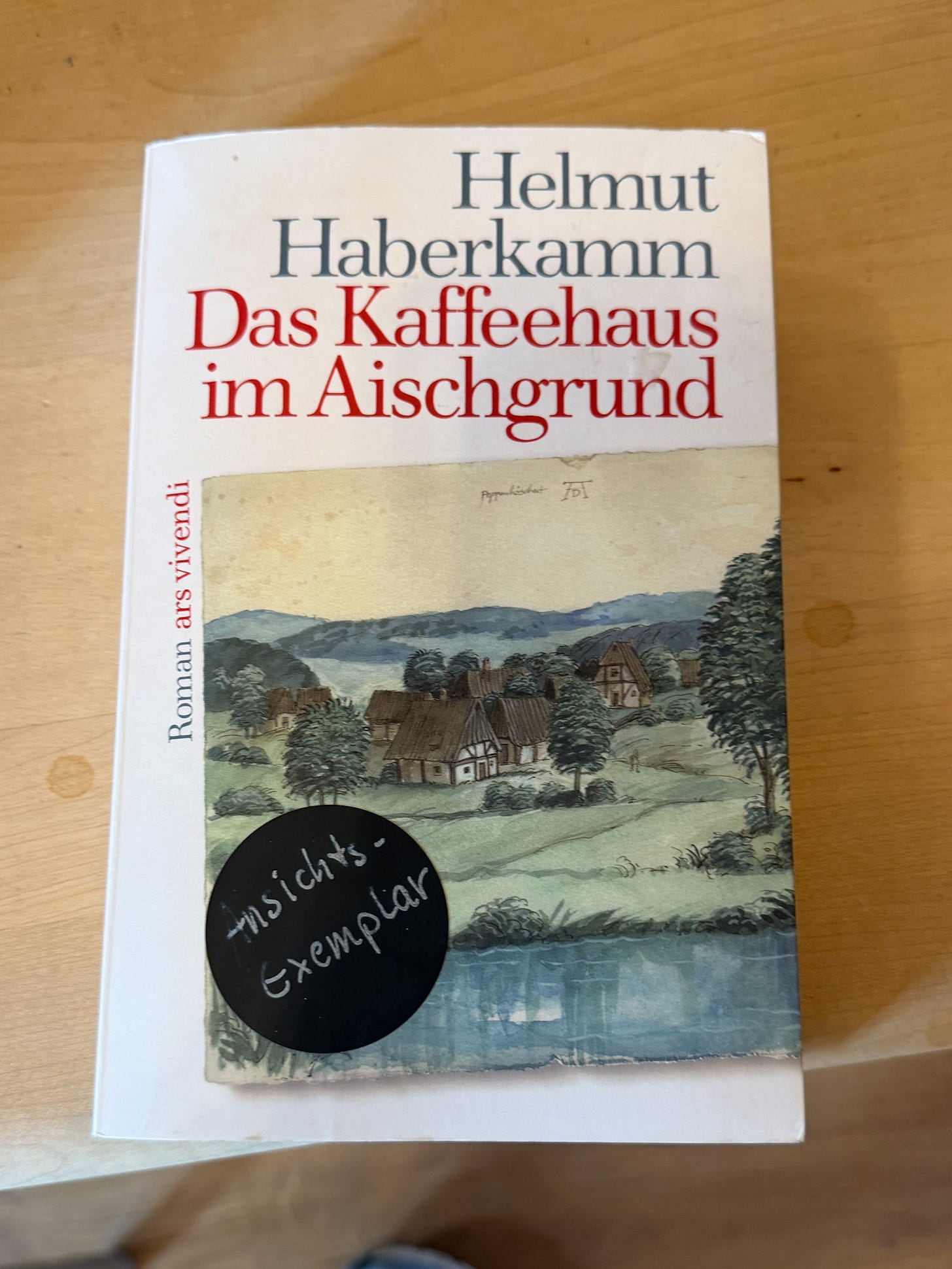
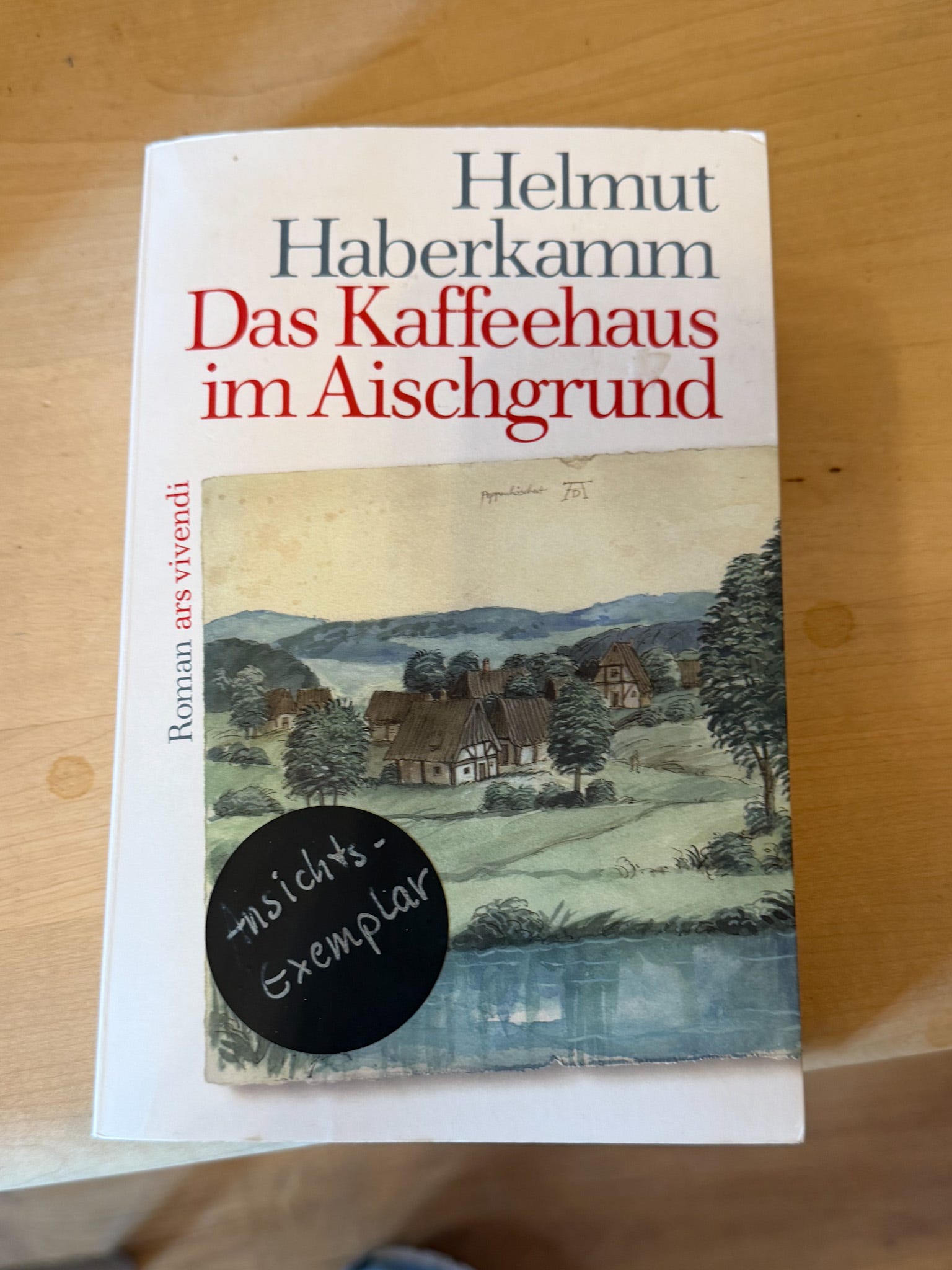
There’s a story here.
With that, get out from behind this screen and go meet up with someone.
Happy Baking,
Martin
That schnitzel and grüne sosse! YUM!
Love your stories about traveling in Germany. Makes me homesick - and crave German bread. Oh and Krapfen too.